Health and Safety Policy for Landscaping Hainault
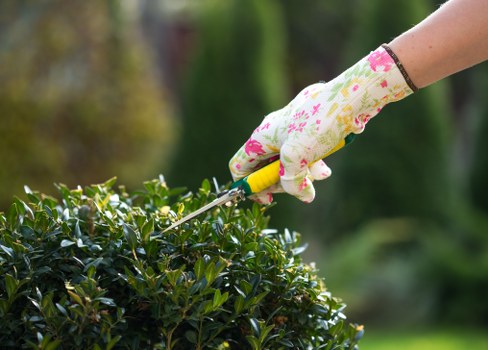 Our health and safety policy for landscaping in Hainault sets out the standards and responsibilities that help ensure every project is carried out safely, carefully, and professionally. Landscaping work can involve tools, machinery, lifting, working at height, and exposure to changing weather conditions, so a clear and practical approach is essential. This policy applies to all routine and specialist outdoor work, from turf preparation and planting to paving, fencing, and site clearance.
We are committed to creating a working environment where risks are identified early and controlled effectively. Our approach is based on prevention, communication, and consistent safe practice. Everyone involved in landscaping Hainault has a duty to follow safe systems of work, use equipment correctly, and report hazards without delay. By maintaining high standards, we protect workers, clients, visitors, and members of the public.
 The purpose of this policy is to promote a culture where safety is treated as part of every task, not as an afterthought. Landscaping can involve manual handling, excavation, vehicle movement, sharp tools, and the handling of soils, timber, stone, fuels, and chemicals. A reliable safety framework helps reduce incidents while supporting quality workmanship and efficient delivery.
Responsibilities and Safe Working Expectations
Managers, supervisors, and team members all play a role in maintaining safe conditions. Supervisors are expected to assess work areas, allocate tasks appropriately, and ensure that staff have the correct training and equipment. Operatives must take reasonable care of their own health and safety and that of others affected by their actions. In practical terms, this means using tools properly, following instructions, and stopping work if conditions become unsafe.
Before any project begins, the site should be reviewed for hazards such as uneven ground, underground services, unstable surfaces, overhead obstacles, traffic routes, or public access points. Where needed, controls should be introduced to reduce risk, including barriers, signage, segregated work areas, or revised methods of work. For Hainault landscaping projects, weather conditions must also be considered, particularly during periods of heavy rain, frost, strong wind, or extreme heat.
 A safe working culture also depends on good communication. Teams should begin each job with a clear briefing so that everyone understands the plan, the risks involved, and the emergency arrangements. Any changes to the task, equipment, or site conditions should be communicated immediately. Clear instructions and shared awareness help prevent misunderstandings and unnecessary hazards.
Equipment, Materials, and Personal Protective Measures
All tools, machinery, and vehicles used for landscaping services in Hainault must be suitable for the task, properly maintained, and used only by trained or authorised personnel. Regular inspections should be carried out to ensure equipment remains in safe working order. Faulty or damaged items must be removed from use until repaired or replaced.
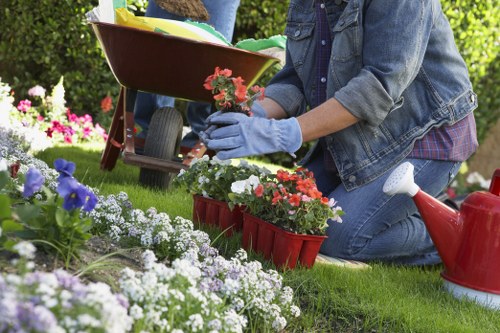
Where the work involves cutting, digging, grinding, lifting, or handling heavy materials, appropriate personal protective equipment should be worn. This may include gloves, protective footwear, eye protection, hearing protection, high-visibility clothing, and weather-appropriate clothing. PPE is not a substitute for safe methods, but it provides an additional layer of protection when risks cannot be eliminated completely.
Safe handling of materials is especially important in landscaping operations. Bags of soil, stones, fencing materials, turf rolls, and timber can cause strain or injury if lifted incorrectly. To reduce risk, loads should be broken down where possible, lifting aids should be used, and team lifting should be arranged for awkward or bulky items. A landscape safety policy should always encourage sensible planning before any manual handling begins.
Risk Control, Welfare, and Environmental Care
Risk assessment is central to this policy. Each job should be reviewed for foreseeable hazards, and suitable control measures should be put in place before work starts. This includes managing excavation risks, preventing slips and trips, securing tools when not in use, and keeping work areas tidy. Good housekeeping reduces accidents and supports productive work.
Welfare is also a key part of safe landscaping practice. Workers should have access to drinking water, rest breaks, and appropriate facilities depending on the nature and length of the job. Fatigue can significantly increase the likelihood of mistakes, so workloads and schedules should be planned realistically. In cold weather, warm-up breaks and dry clothing may be necessary; in hot weather, shade and hydration become especially important.
Environmental care and safety often go hand in hand. Waste should be collected, stored, and disposed of responsibly to prevent hazards from sharp objects, trip risks, or contamination. Fuel, oils, and chemicals must be stored securely and handled with care to avoid spills or exposure. Responsible practice helps maintain safe sites while supporting a professional approach to landscaping safety in Hainault.
Training, Reporting, and Emergency Response
Training is essential for safe and effective landscaping work. Staff should receive instruction relevant to their duties, including safe tool use, manual handling, hazard recognition, and emergency procedures. Refresher training may be required when methods, equipment, or responsibilities change. Competence should be monitored so that tasks are only assigned to those who are suitably prepared.
All accidents, near misses, and unsafe conditions must be reported promptly so that action can be taken and lessons can be learned. Recording incidents helps identify patterns and improve controls across future projects. Even minor events may indicate a broader issue that should be addressed before it becomes serious. A strong reporting culture supports continuous improvement in landscaping Hainault operations.
 Emergency procedures should be straightforward and known by everyone on site. Teams must understand what to do in the event of injury, fire, collapse, chemical exposure, or unsafe site conditions. First aid arrangements should be proportionate to the work being carried out, and access routes for emergency response should be kept clear. Calm, well-practised responses can reduce the impact of an incident and support faster recovery.
Review and Continuous Improvement
 This policy will be reviewed regularly to ensure it remains effective, relevant, and consistent with best practice for landscaping Hainault. Reviews should consider incident reports, feedback from site teams, changes in working methods, and updates in equipment or risk profiles. Any revisions should be communicated clearly so that safe practice remains current and understood.
By following this health and safety policy, we reinforce a professional standard across all landscaping activity. Safety is part of quality, efficiency, and trust. When risks are managed properly, teams can carry out their work with confidence, clients can feel reassured, and projects can progress in a controlled and responsible way. This commitment supports reliable Hainault landscaping services and encourages safer outcomes for everyone involved.