Recycling and Sustainability for Landscaping Hainault
 At Landscaping Hainault, sustainability is not treated as an add-on; it is built into everyday working practices. From the first site visit through to the final tidy-up, our approach to landscape recycling focuses on reducing waste, reusing suitable materials, and sending as little as possible to landfill. The result is a cleaner process for clients and a more responsible way to manage garden and grounds projects across Hainault and the surrounding area.
Our current recycling percentage target is to divert at least 85% of non-hazardous project waste from landfill. That target includes green waste, soil where suitable, timber offcuts, cardboard, plastic packaging, and inert materials that can be sorted for recovery. We aim to improve this figure year on year by separating materials more effectively on site and by choosing local recovery routes that support circular use. In practice, this means that much of the waste generated by Hainault landscaping recycling is handled in a way that prioritises reuse before disposal.
We also recognise that the boroughs surrounding Hainault have their own waste separation expectations, with a growing emphasis on keeping garden waste, hard-core, metals, and mixed recyclables apart. Our teams work with these local standards in mind, making sure that project waste is sorted carefully rather than mixed together. This helps support better recovery outcomes and reflects the wider move towards clearer separation of waste streams across East London and nearby borough areas.
 A key part of our sustainable landscaping approach is using local transfer stations and approved waste facilities that can handle different material streams efficiently. By relying on nearby transfer stations, we reduce travel distance, improve turnaround times, and ensure that recyclable material stays in the local resource network for longer. Green waste can be processed for composting or mulching, soil may be screened and reused where appropriate, and clean aggregates can be directed toward recovery routes rather than being discarded.
We work with the practical reality of landscaping waste: turf and roots from clearance jobs, prunings from hedge shaping, leaf litter, broken paving from small hard landscaping tasks, and packaging from new planting materials. Each type of material is assessed for the best recovery route. For example, untreated wood can often be recovered, while metal fixings are separated for metal recycling. Where possible, our process supports local waste transfer stations that are equipped to handle these different streams with minimal additional handling.
The benefit of using local facilities goes beyond simple convenience. It helps reduce the carbon impact associated with longer haulage journeys and supports a more resilient local recycling economy. In a borough environment where waste management relies on cooperation between households, contractors, and commercial operators, that local link matters. For recycling in Hainault landscaping, this means a more responsible chain from site clearance to material recovery.
 Our commitment to sustainability also extends to what happens before waste ever leaves the site. We encourage careful material separation during pruning, planting, and clearance work so that recyclable fractions remain clean and usable. In garden maintenance, this often means separating green waste from plastic plant pots, ties, and wrapping. In small construction-related landscape jobs, it can mean isolating stone, soil, timber, and metal components so each stream can be handled correctly. This is especially relevant in areas where borough-level waste separation is increasingly well understood by residents and businesses alike.
We place a strong emphasis on partnerships with charities and community organisations. Many items from landscaping projects can be repurposed rather than recycled in the technical sense. Healthy pots, surplus compost bags, usable timber lengths, sturdy plant supports, and gently used outdoor items may be passed on where they can still serve a good purpose. Supporting charities through donation pathways helps reduce waste while also benefiting local causes that value practical materials for community gardens, training plots, or environmental projects.
These charitable partnerships are part of a broader circular mindset. Instead of treating every leftover item as rubbish, we look first at whether it can be reused, repaired, or donated. That approach aligns with responsible landscape recycling in Hainault and reflects a simple principle: a material’s value does not end when a project ends. By extending the life of usable resources, we reduce pressure on disposal systems and support better environmental outcomes.
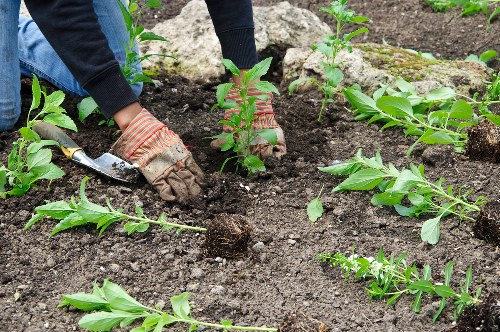 Transport is another important part of our sustainability plan. We are progressively using low-carbon vans for operational travel, choosing more efficient vehicles that help reduce emissions across site visits, material collection, and equipment movement. Lower-emission vans are especially useful in a service area like Hainault, where multiple short journeys can quickly add up. By improving vehicle efficiency, we can reduce the carbon footprint linked to everyday landscaping operations without compromising reliability.
Our vehicle strategy is paired with smarter route planning. Jobs are scheduled to minimise unnecessary back-and-forth travel, and materials are consolidated where possible before being taken to transfer stations or recovery points. This reduces fuel use, improves time efficiency, and supports a leaner environmental footprint. In combination with local facilities, low-carbon transport helps create a more joined-up sustainability model for Hainault landscaping and recycling.
Low-carbon operations also encourage better accountability. When teams know that waste loads must be separated, logged, and delivered responsibly, there is a stronger focus on doing the right thing at each stage of the job. That matters in landscaping because the sector generates a wide range of material types, from bulky green waste to delicate mixed recyclables. A structured system helps ensure that useful resources are recovered wherever possible.
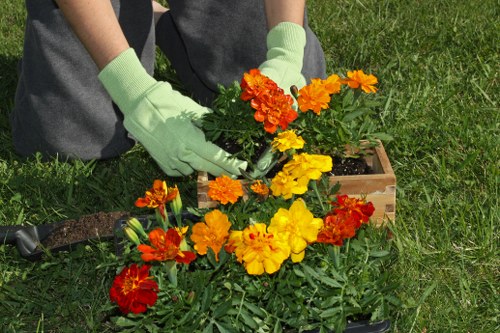 Looking ahead, our sustainability goals remain focused on practical improvements that clients can see and the environment can benefit from. We will continue to push the recycling percentage target upward, strengthen links with local transfer stations, and expand partnerships with charities that can make use of recovered materials. We will also keep investing in low-carbon vans and efficient working methods so that recycling-focused landscaping in Hainault becomes cleaner, smarter, and more resource-efficient over time.
For us, sustainability is not about slogans; it is about daily decisions that reduce waste and support better outcomes for the community. Whether that means separating green waste for composting, directing clean rubble toward recovery, donating reusable items to charity, or cutting transport emissions with more efficient vans, every action contributes to a more responsible service. Landscaping Hainault recycling is therefore part of a wider effort to keep materials in use, reduce environmental impact, and support the borough’s move toward better waste management habits.